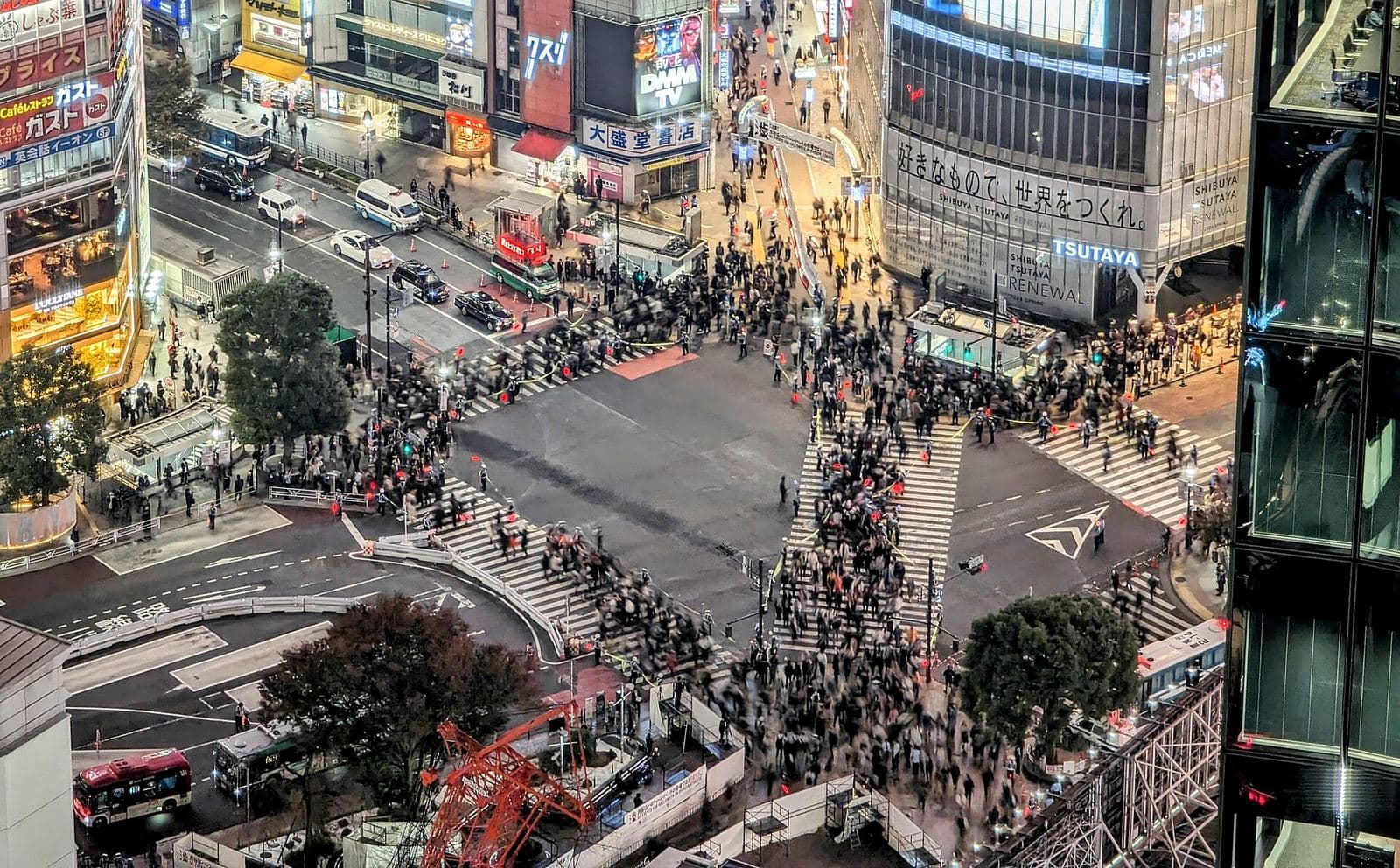
Tokyo has two famous peaks, cherry blossom in spring and autumn foliage in November, plus the domestic holiday surge of Golden Week. The months around them are cheaper, quieter and often just as good.
12-month view
Season calendar
Cold, dry, clear winter. New Year (first days) very busy, then quiet. Good value mid-month.
Premiums are indicative ranges versus the surrounding non-holiday weeks. Tap or click any month for the exact dates. Term dates vary slightly by council; see our data sources.
Our verdict
Late October to early November, just before the foliage peak, is the best-value window with the best weather. January and February are the cheapest months and still excellent for a city trip if you can handle the cold.
Right now
Is it a good time to go?
Links on this page currently carry no affiliate tracking — we don't yet earn a commission from bookings made through them.
How the year plays out
Seasons explained
Tokyo has four distinct seasons. Late March and early April bring the cherry blossom, the most expensive and crowded fortnight of the year, followed almost immediately by Golden Week at the start of May, when Japanese domestic travel fills trains and hotels. Autumn foliage in November is the second peak, with clear, crisp weather that many regulars prefer.
Between those peaks the city is remarkably good value. Late May and early June are warm before the rainy season (tsuyu) arrives in mid-June; July and August are hot and humid but bring the summer festival and fireworks calendar, with Obon in mid-August the one week to avoid. September carries typhoon risk early on but cools by the end. December through February is cold, dry and clear, with Mount Fuji visible on most days and, outside the New Year holiday, some of the lowest hotel rates and airfares of the year.
For UK families
Tokyo in the school holidays
Tokyo is a long-haul trip that rewards the two-week breaks. February half term is one of the cheapest weeks of the year to fly, cold but crisp and clear, with skiing reachable by bullet train. Easter usually overlaps the cherry blossom peak, which is magical but expensive and needs hotels booked months ahead. The summer holidays are hot and humid but affordable, with festivals and fireworks most weekends; avoid Obon in mid-August. October half term lands in comfortable autumn weather before the foliage crowds arrive and is a strong choice for families.
Choose your region on the season calendar above to see the exact term dates and typical premium for each break.
Historical data
Typical temperatures
| Month | Average low | Average high | Average |
|---|---|---|---|
| Jan | 2.2°C | 10.2°C | 6.2°C |
| Feb | 3.1°C | 11.6°C | 7.4°C |
| Mar | 6.6°C | 15.4°C | 11°C |
| Apr | 11°C | 19.9°C | 15.5°C |
| May | 15.6°C | 24°C | 19.8°C |
| Jun | 19.7°C | 26.9°C | 23.3°C |
| Jul | 24.1°C | 30.9°C | 27.5°C |
| Aug | 25.3°C | 32.4°C | 28.8°C |
| Sep | 21.7°C | 28.3°C | 25°C |
| Oct | 15.5°C | 22.1°C | 18.8°C |
| Nov | 10°C | 17.4°C | 13.7°C |
| Dec | 4.5°C | 12.3°C | 8.4°C |
Ten-year monthly averages of daily highs and lows from the Tokyo weather station (10.5 km away), via Meteostat. Window 2016–2026.
Chance of rain
| Month | Rainy days |
|---|---|
| Jan | 3.8 |
| Feb | 4.7 |
| Mar | 8.3 |
| Apr | 7.9 |
| May | 8 |
| Jun | 9.9 |
| Jul | 9.7 |
| Aug | 7.4 |
| Sep | 11.9 |
| Oct | 10.3 |
| Nov | 6.9 |
| Dec | 3.9 |
Average number of days per month with at least 1mm of rainfall. From the Tokyo weather station (10.5 km away), via Meteostat. Window 2016–2026.
Quick answers
Frequently asked
- When is the best time to visit Tokyo?
- Late October to early November, just before the foliage peak, is the best-value window with the best weather. January and February are the cheapest months and still excellent for a city trip if you can handle the cold.
- When is Tokyo most expensive?
- Our price index puts March, April, May, October and November at the top of the year for Tokyo. The cheapest months on the same index are January, February and June. The season calendar above shows the month-by-month picture, with UK school holiday premiums marked.
- Is Tokyo a good choice for the UK school holidays?
- Tokyo is a long-haul trip that rewards the two-week breaks. February half term is one of the cheapest weeks of the year to fly, cold but crisp and clear, with skiing reachable by bullet train. Easter usually overlaps the cherry blossom peak, which is magical but expensive and needs hotels booked months ahead. The summer holidays are hot and humid but affordable, with festivals and fireworks most weekends; avoid Obon in mid-August. October half term lands in comfortable autumn weather before the foliage crowds arrive and is a strong choice for families.
- Does it rain a lot in Tokyo?
- On average, Tokyo sees the fewest rainy days in January (around 4 days with rain) and the most in September (around 12 days). See the rainfall chart above for the full year, and our data sources page for how this is measured.
- Are there festivals or events that affect prices in Tokyo?
- Yes — Tokyo hosts Cherry Blossom Season in March, and Cherry Blossom Season in April, and Golden Week in May, and Obon in August, and Autumn Foliage Season in October, and Autumn Foliage Season in November, which can push prices above the usual seasonal pattern that month. Exact dates vary by year; check the season calendar above and confirm against the event's own listing before booking.
Keep exploring
More long-haul destinations

Ready to book Tokyo?
You've seen the season calendar, the verdict and the temperatures — here's the fastest way to check live prices.
Search Booking.com →Links on this page currently carry no affiliate tracking — we don't yet earn a commission from bookings made through them.