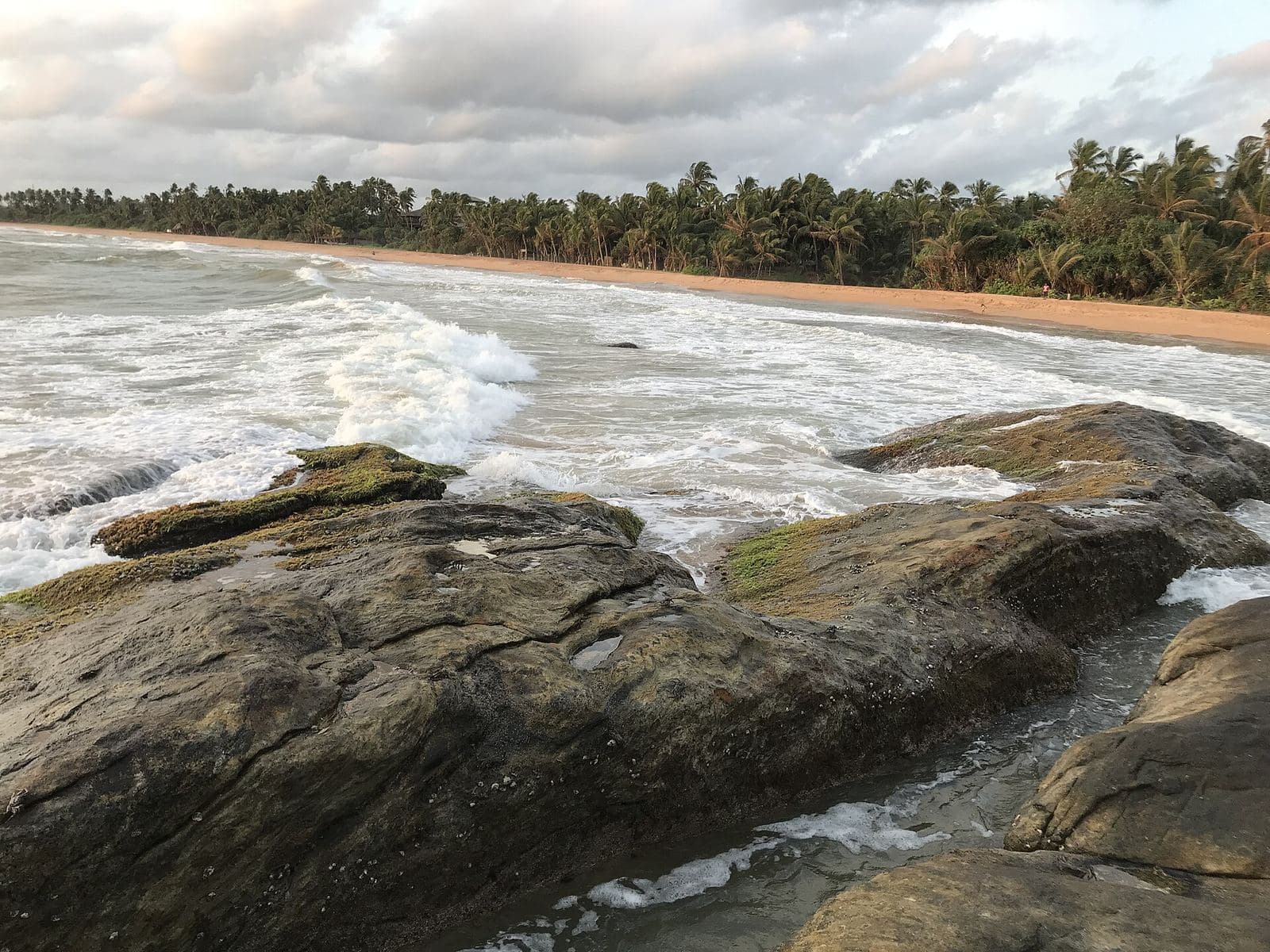
Greetings from
Sri Lanka
Sri Lanka
One island, two monsoons — the coast you choose decides your season
Sri Lanka is the destination our own data warns about most: the west and south coast beach season runs almost exactly opposite the east coast's, so "when to visit Sri Lanka" only has a real answer once you know which coast.
Our verdict
For the classic west and south coast trip, December to March offers the best weather, though at peak prices; late November and April are close in weather with meaningfully lower rates. If your dates fall in the west coast's May-September rainy season, switch the itinerary to the east coast instead of assuming the whole island is off-limits.
Is it a good time to go?
We’re going to Sri Lanka from to .
Add your dates, or pick a school holiday, to see whether Sri Lanka is in busy, sweet-spot or quiet season then, and whether your dates hit a UK school holiday.
Some links on this page are affiliate links. We may earn a commission if you book through them, at no extra cost to you.
Sri Lanka through the year
Tap a month for the detail
Tap a month to see what it’s like in Sri Lanka.
Temperatures: ten-year averages from the Ratmalana weather station (45.2 km away), via Meteostat, 2016–2026. Rain: NASA POWER satellite-derived data, 2016–2026.
How the year plays out
Seasons explained
Sri Lanka sits at the meeting point of two monsoon systems, and they hit opposite sides of the island. The Yala monsoon brings rain to the west and south coasts, home to the country's best-known beach resorts around Bentota, Galle and Mirissa, from roughly May to September. The Maha monsoon does the same to the east coast, including Trincomalee and the surf town of Arugam Bay, from October to January. Whichever coast is in its wet season, the other is close to its dry-season best, so there is rarely a genuinely bad time to visit the island as a whole, only a bad time to visit the wrong coast.
December to April is peak season on the classic west and south coast route: driest, sunniest and busiest, with Christmas and New Year the single most expensive fortnight of the year. May through September is the west coast's rainy season, but this is exactly when the east coast is at its calmest and driest, making it the better choice for that stretch, particularly for surfers heading to Arugam Bay. October and November are transitional on both coasts, with short, heavy inter-monsoon downpours possible almost anywhere, and correspondingly lower prices.
For UK families
Sri Lanka in the school holidays
The summer holidays fall in the west coast's wettest stretch but the east coast's driest, so a July or August trip to Trincomalee or Arugam Bay can have excellent weather even though the price index above, anchored to the west coast, looks like off-season. October half term sits in the inter-monsoon period on both coasts: changeable, but with real savings versus the December-March peak. Easter usually falls within the west coast's better weather window and carries a premium. February half term lands in the strongest west and south coast weather of the year, and prices reflect it.
Pick a school holiday in the date checker at the top of the page to see the exact term dates and typical premium for your region.
Quick answers
Frequently asked
When is the best time to visit Sri Lanka?
For the classic west and south coast trip, December to March offers the best weather, though at peak prices; late November and April are close in weather with meaningfully lower rates. If your dates fall in the west coast's May-September rainy season, switch the itinerary to the east coast instead of assuming the whole island is off-limits.
When is Sri Lanka most expensive?
Our price index puts January, February, March, April and December at the top of the year for Sri Lanka. The cheapest months on the same index are May to July. The month-by-month view above shows the full picture, with UK school holidays marked.
Is Sri Lanka a good choice for the UK school holidays?
The summer holidays fall in the west coast's wettest stretch but the east coast's driest, so a July or August trip to Trincomalee or Arugam Bay can have excellent weather even though the price index above, anchored to the west coast, looks like off-season. October half term sits in the inter-monsoon period on both coasts: changeable, but with real savings versus the December-March peak. Easter usually falls within the west coast's better weather window and carries a premium. February half term lands in the strongest west and south coast weather of the year, and prices reflect it.
Does it rain a lot in Sri Lanka?
On average, Sri Lanka sees the fewest rainy days in February (around 14 days with rain) and the most in May (around 30 days). The month-by-month view above shows every month, and our data sources page explains how this is measured.
Are there festivals or events that affect prices in Sri Lanka?
Yes — Sri Lanka hosts Sinhala & Tamil New Year in April, and Esala Perahera (Kandy) in August, which can push prices above the usual seasonal pattern that month. Exact dates vary by year; check the month-by-month view above and confirm against the event's own listing before booking.
More postcards from further afield
Ready to book Sri Lanka?
You've seen the months, the prices and the weather. Here's the fastest way to check live prices.
Search ExpediaSome links on this page are affiliate links. We may earn a commission if you book through them, at no extra cost to you.