Greetings from
Bali
Indonesia
Dry season and peak season aren't quite the same thing here
Bali's dry season runs from around May to September, but the priciest, busiest weeks are July and August specifically, which means the shoulder months either side of the peak, not the edges of the dry season, are where the real value sits.
Our verdict
June and September are the strongest value months: dry-season weather without the July-August crowds or prices. If you can only travel in the wet season, look at April or October, the driest edges of that period.
Is it a good time to go?
We’re going to Bali from to .
Add your dates, or pick a school holiday, to see whether Bali is in busy, sweet-spot or quiet season then, and whether your dates hit a UK school holiday.
Some links on this page are affiliate links. We may earn a commission if you book through them, at no extra cost to you.
Bali through the year
Tap a month for the detail
Tap a month to see what it’s like in Bali.
Temperatures: ten-year averages from the Denpasar / Ngurah-Rai weather station (6.7 km away), via Meteostat, 2016–2026. Rain: NASA POWER satellite-derived data, 2016–2026.
How the year plays out
Seasons explained
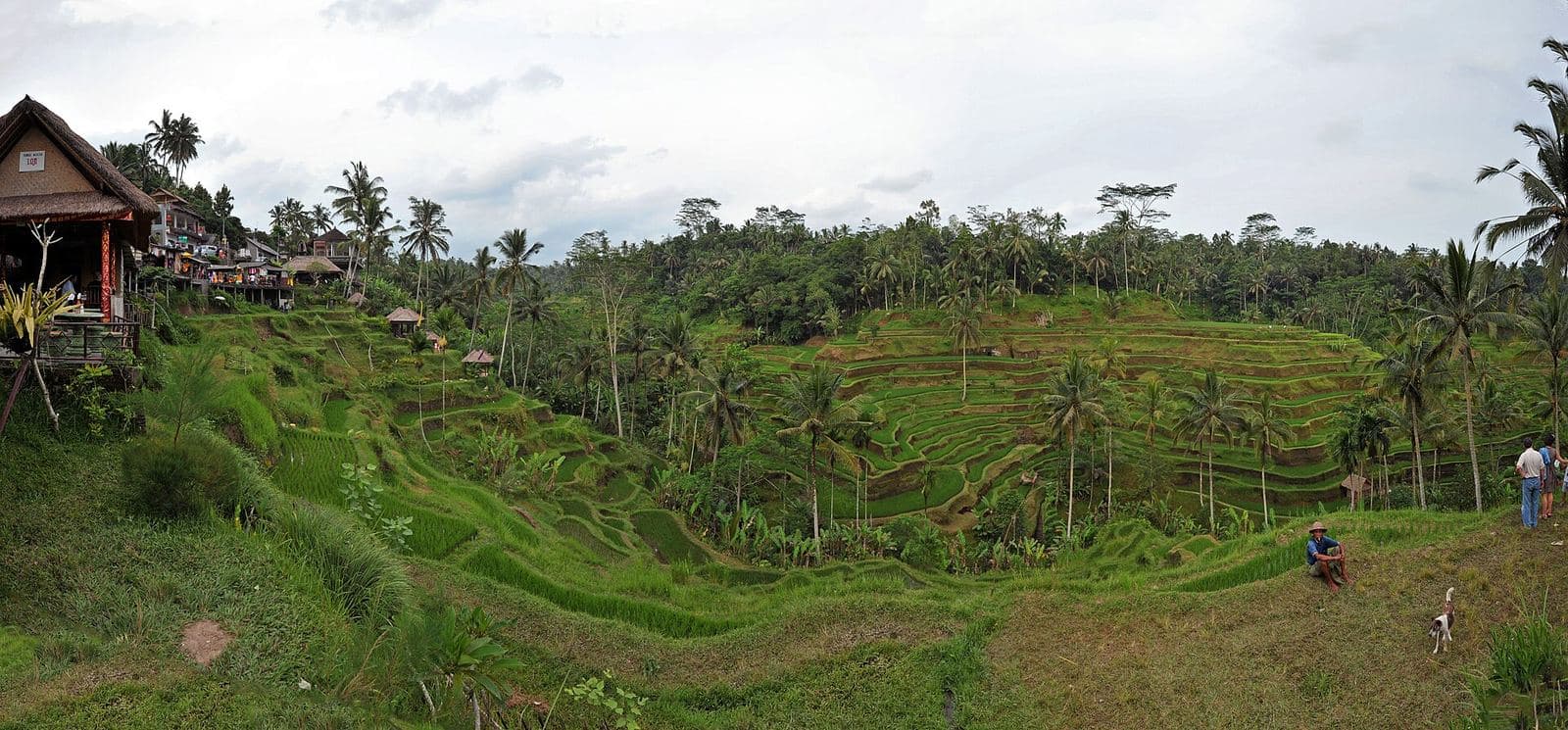
Bali has a tropical climate split simply into a dry season, roughly May to September, and a wetter season the rest of the year, though "wet" here usually means humid days with a heavy afternoon downpour rather than constant rain, and outdoor plans are rarely written off entirely. The island's genuinely busiest and most expensive stretch is July and August, driven by European summer holidays, when Seminyak's beach clubs, Ubud's rice terraces and the temples at Uluwatu are at their most crowded.
May, June and September sit inside the same dry season as July and August but without the summer-holiday surge, and are widely considered the best-value months on the island: reliable sun, thinner crowds and noticeably lower hotel rates. December and early January bring a second, sharper peak around Christmas and New Year, despite falling in the wet season, as Bali is one of the world's most popular New Year destinations. February and March are the wettest, quietest months, apart from Nyepi, the Day of Silence, when the entire island, airport included, shuts down for 24 hours, usually in March.
For UK families
Bali in the school holidays
The summer holidays land squarely in Bali's peak season, July and August, so expect the year's highest prices and busiest beach clubs and temples. October half term falls just as the dry season is ending: still often good weather, with prices below the summer peak. Easter usually falls in the wetter shoulder period, warm with a real chance of afternoon showers. Christmas and New Year is Bali's second peak and one of the most expensive weeks of the year to fly, despite the wet season. February half term is quieter and cheaper but comes with the highest chance of rain, and airport closures for Nyepi are worth checking against your dates if they fall in March.
Pick a school holiday in the date checker at the top of the page to see the exact term dates and typical premium for your region.
Quick answers
Frequently asked
When is the best time to visit Bali?
June and September are the strongest value months: dry-season weather without the July-August crowds or prices. If you can only travel in the wet season, look at April or October, the driest edges of that period.
When is Bali most expensive?
Our price index puts July, August and December at the top of the year for Bali. The cheapest months on the same index are February, March and November. The month-by-month view above shows the full picture, with UK school holidays marked.
Is Bali a good choice for the UK school holidays?
The summer holidays land squarely in Bali's peak season, July and August, so expect the year's highest prices and busiest beach clubs and temples. October half term falls just as the dry season is ending: still often good weather, with prices below the summer peak. Easter usually falls in the wetter shoulder period, warm with a real chance of afternoon showers. Christmas and New Year is Bali's second peak and one of the most expensive weeks of the year to fly, despite the wet season. February half term is quieter and cheaper but comes with the highest chance of rain, and airport closures for Nyepi are worth checking against your dates if they fall in March.
Does it rain a lot in Bali?
On average, Bali sees the fewest rainy days in August (around 6 days with rain) and the most in January (around 29 days). The month-by-month view above shows every month, and our data sources page explains how this is measured.
Are there festivals or events that affect prices in Bali?
Yes — Bali hosts Nyepi (Day of Silence) in March, which can push prices above the usual seasonal pattern that month. Exact dates vary by year; check the month-by-month view above and confirm against the event's own listing before booking.
More postcards from further afield
Ready to book Bali?
You've seen the months, the prices and the weather. Here's the fastest way to check live prices.
Search ExpediaSome links on this page are affiliate links. We may earn a commission if you book through them, at no extra cost to you.