Maldives
Maldives
Two monsoons, one long dry-season peak, and real savings if you can handle a shower
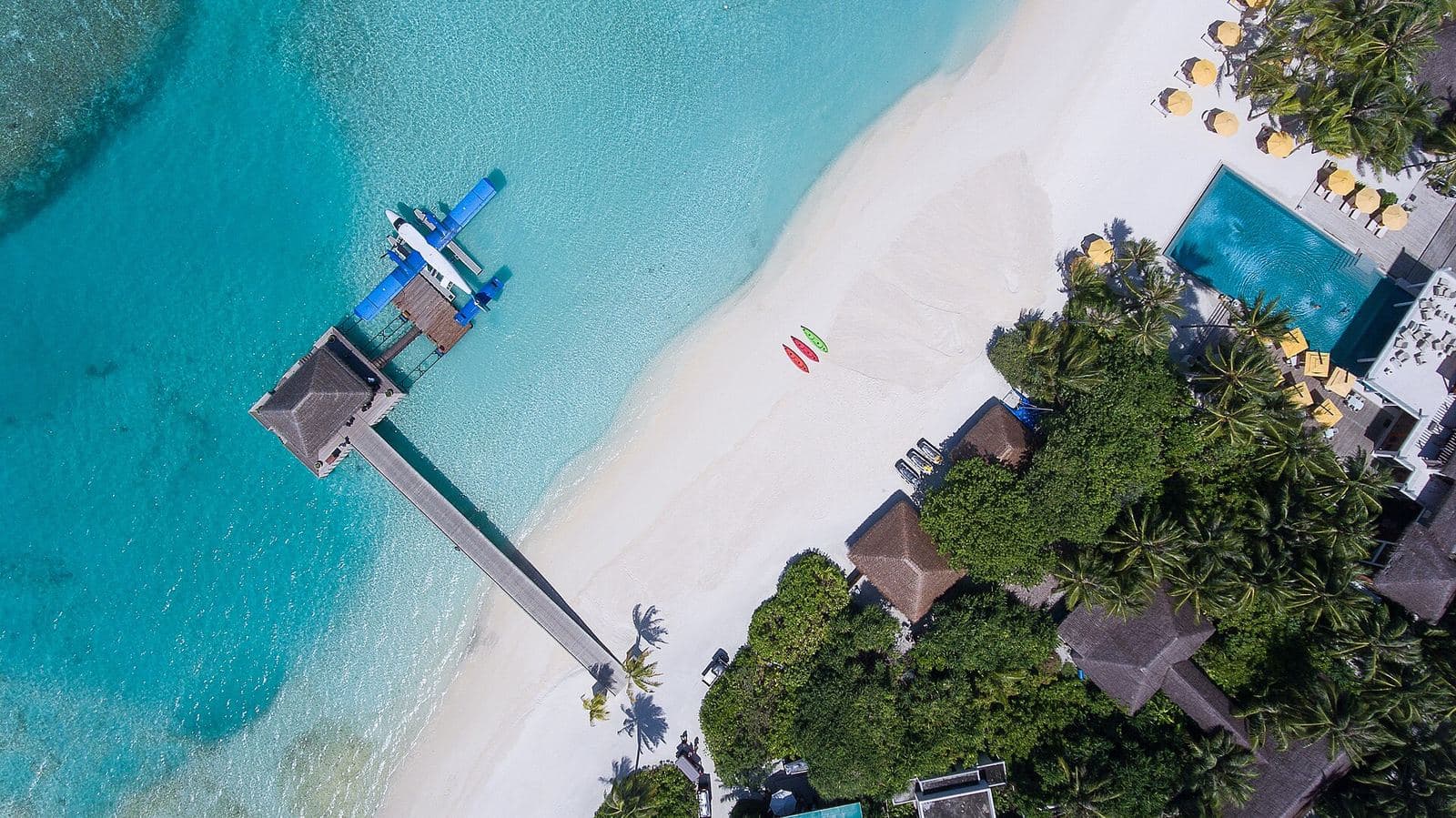
Photo: Ishan @seefromthesky · CC0 via Wikimedia Commons
The Maldives markets itself on year-round sun, and it mostly delivers, but the dry-season peak from December to April carries a substantial price premium over the wetter months, when short afternoon showers are a fair trade for meaningfully cheaper resort rates.
12-month view
Season calendar
Dry season at its best: clear skies, calm seas. Still within the Christmas/New Year price surge for the first week or so.
Premiums are indicative ranges versus the surrounding non-holiday weeks. Tap or click any month for the exact dates. Term dates vary slightly by council; see our data sources.
Our verdict
June and July offer the best trade-off: still within the wet season's cheaper pricing, but with a decent run of sunny days between showers. If calm seas and guaranteed sun matter more than price, February is the safest bet in the dry season.
Right now
Is it a good time to go?
Links on this page currently carry no affiliate tracking — we don't yet earn a commission from bookings made through them.
How the year plays out
Seasons explained
The Maldives sits close enough to the equator that temperatures barely change across the year; what changes is rainfall and wind, driven by two monsoons. The northeast monsoon, December to April, is the dry season: calm seas, the best underwater visibility of the year, and the island's undisputed peak, with Christmas and New Year commanding the highest prices of any fortnight. February is generally rated the single most reliable month, with the lowest rainfall and the clearest skies.
The southwest monsoon, May to November, brings the wet season, though this rarely means all-day rain: expect brief, sometimes heavy afternoon downpours and stronger winds, particularly affecting the choppier boat transfers between resort islands. Conditions vary by atoll, with the southern atolls typically wetter and windier than the northern ones at any given point in the wet season. September is usually the wettest month nationwide and, correspondingly, the cheapest, while June and July often deliver good weather at a meaningful discount to the December-April peak.
For UK families
Maldives in the school holidays
The summer holidays fall in the wet season, which works in families' favour: prices are well below the dry-season peak, and the rain rarely lasts long enough to spoil a beach day. October half term sits in the same value window, with conditions gradually improving as the dry season approaches. Easter usually catches the tail end of the dry season, reliable weather at prices beginning to ease. Christmas and New Year is the single most expensive week of the Maldivian year, driven by both the dry season and holiday demand; book resorts many months ahead if that's your window.
Choose your region on the season calendar above to see the exact term dates and typical premium for each break.
Historical data
Typical temperatures
| Month | Average low | Average high | Average |
|---|---|---|---|
| Jan | 26.5°C | 31°C | 28.7°C |
| Feb | 26.9°C | 31.5°C | 29.2°C |
| Mar | 27.3°C | 31.9°C | 29.6°C |
| Apr | 27.7°C | 32.4°C | 30.1°C |
| May | 27.2°C | 31.9°C | 29.6°C |
| Jun | 27.5°C | 31.8°C | 29.6°C |
| Jul | 27°C | 31.5°C | 29.3°C |
| Aug | 26.9°C | 31.3°C | 29.1°C |
| Sep | 26.7°C | 31°C | 28.9°C |
| Oct | 26.4°C | 30.8°C | 28.6°C |
| Nov | 26.3°C | 30.8°C | 28.5°C |
| Dec | 26.4°C | 30.9°C | 28.6°C |
Ten-year monthly averages of daily highs and lows from the Male weather station (3.8 km away), via Meteostat. Window 2016–2026.
Chance of rain
| Month | Rainy days |
|---|---|
| Jan | 5.6 |
| Feb | 3 |
| Mar | 4.9 |
| Apr | 7.8 |
| May | 10.4 |
| Jun | 6.4 |
| Jul | 8.1 |
| Aug | 6.9 |
| Sep | 9.5 |
| Oct | 11.5 |
| Nov | 12 |
| Dec | 10.5 |
Average number of days per month with at least 1mm of rainfall. From the Male weather station (3.8 km away), via Meteostat. Window 2016–2026.
Quick answers
Frequently asked
- When is the best time to visit Maldives?
- June and July offer the best trade-off: still within the wet season's cheaper pricing, but with a decent run of sunny days between showers. If calm seas and guaranteed sun matter more than price, February is the safest bet in the dry season.
- When is Maldives most expensive?
- Our price index puts January, February, March, April and December at the top of the year for Maldives. The cheapest months on the same index are June, September and October. The season calendar above shows the month-by-month picture, with UK school holiday premiums marked.
- Is Maldives a good choice for the UK school holidays?
- The summer holidays fall in the wet season, which works in families' favour: prices are well below the dry-season peak, and the rain rarely lasts long enough to spoil a beach day. October half term sits in the same value window, with conditions gradually improving as the dry season approaches. Easter usually catches the tail end of the dry season, reliable weather at prices beginning to ease. Christmas and New Year is the single most expensive week of the Maldivian year, driven by both the dry season and holiday demand; book resorts many months ahead if that's your window.
- Does it rain a lot in Maldives?
- On average, Maldives sees the fewest rainy days in February (around 3 days with rain) and the most in November (around 12 days). See the rainfall chart above for the full year, and our data sources page for how this is measured.
Keep exploring
More long-haul destinations

Ready to book Maldives?
You've seen the season calendar, the verdict and the temperatures — here's the fastest way to check live prices.
Search Booking.com →Links on this page currently carry no affiliate tracking — we don't yet earn a commission from bookings made through them.