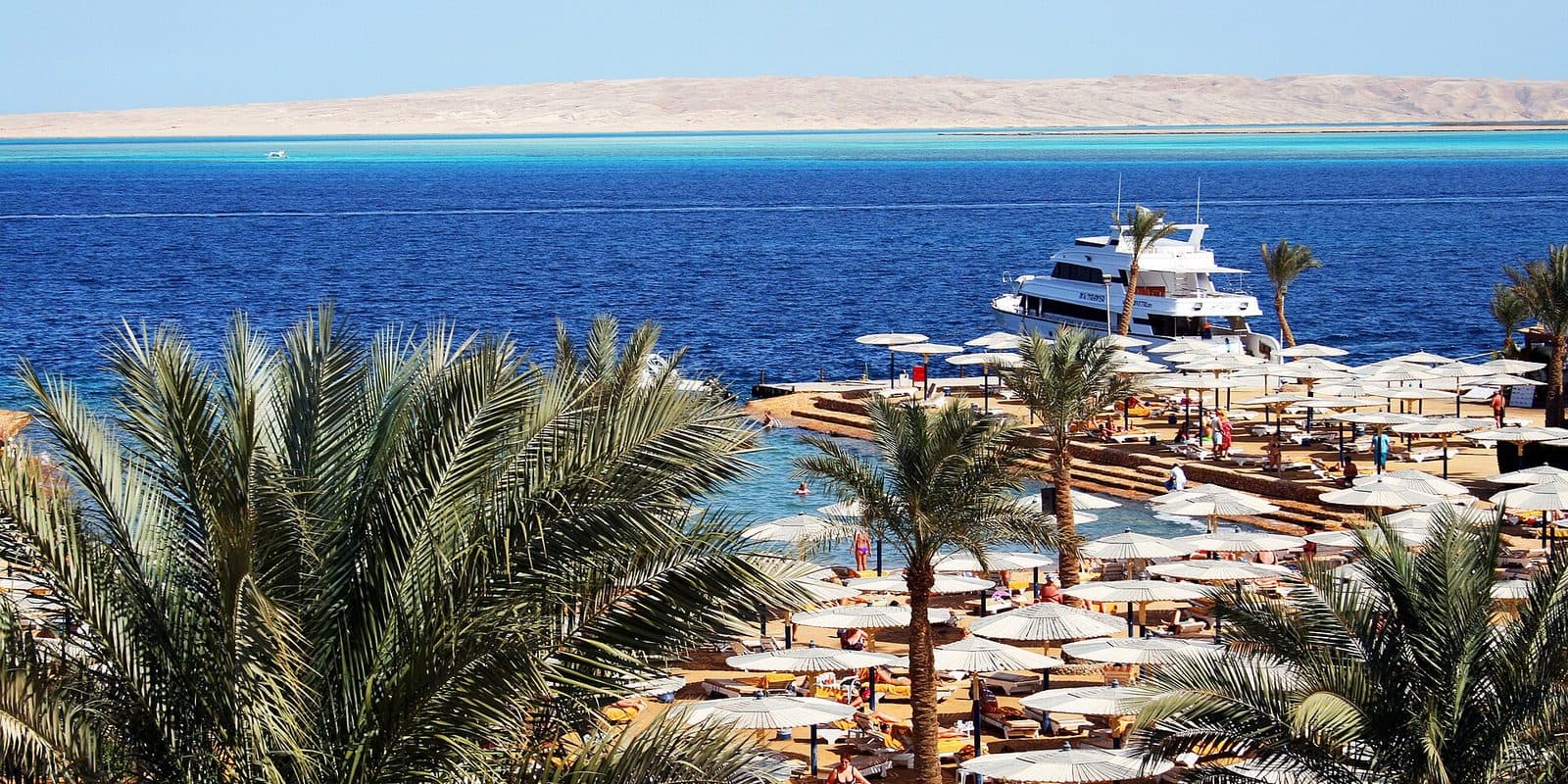
Greetings from
Hurghada
Egypt (Red Sea)
Guaranteed winter sun and Red Sea reefs, five hours from the UK
Hurghada is the Red Sea's main resort coast: all-inclusive hotels, dry sunshine in every month and some of the most accessible coral reefs in the world. It is one of the few places where UK families can find real warmth at February half term.
Our verdict
Early November and March are the best-value windows: warm days, a warm sea and prices below the half-term and Christmas peaks. Mid-January is the cheapest time for true winter sun if the cooler evenings don't bother you.
Is it a good time to go?
We’re going to Hurghada from to .
Add your dates, or pick a school holiday, to see whether Hurghada is in busy, sweet-spot or quiet season then, and whether your dates hit a UK school holiday.
Some links on this page are affiliate links. We may earn a commission if you book through them, at no extra cost to you.
Hurghada through the year
Tap a month for the detail
Tap a month to see what it’s like in Hurghada.
Temperatures: ten-year averages from the Hurguada weather station (15.2 km away), via Meteostat, 2016–2026. Rain: NASA POWER satellite-derived data, 2016–2026.
How the year plays out
Seasons explained
Hurghada has a hot desert climate with almost no rain. From December to February, days are warm (low-to-mid twenties Celsius) but evenings are cool, and the sea stays swimmable at around 21–23°C; a light jumper is needed after dark. Spring and autumn are the most comfortable seasons: warm days, warm water and less wind. From June to August daytime highs run in the high thirties. The heat is dry and the coast is breezy, which makes it more bearable than the numbers suggest, but it is still a pool-and-reef holiday rather than a sightseeing one. The Red Sea is warmest in August.
Demand follows European holidays rather than the weather. Christmas and New Year are the most expensive weeks, extended into early January by Orthodox Christmas. UK February half term, Easter and October half term are all busy, because Hurghada is one of the few short-haul-priced options with genuine warmth at those times. The quietest, best-value weeks fall in the gaps between: mid-January, March, May and November, all of which have good weather.
Hurghada is also a gateway, not just a beach. The Giftun Islands and the reefs offshore offer snorkelling and diving from the hotel jetty, and Luxor's temples are a long day trip away. UK visitors need a visa, currently available on arrival at Hurghada airport; check the FCDO's Egypt travel advice before booking.
For UK families
Hurghada in the school holidays
October half term is Hurghada's best school-holiday match: days around 30°C, the sea still close to its summer warmth, and ideal snorkelling conditions, though prices reflect the demand. February half term is the strongest reason to look at the Red Sea: it offers real warmth for a short-haul-length flight, but it is also one of the priciest weeks of the year, so book early. Easter brings warm, comfortable weather and busy hotels. The summer holidays are very hot, but often good value for all-inclusive stays with plenty of shade and pool time. Christmas and New Year are the most expensive fortnight, with Orthodox Christmas extending the peak into early January.
Pick a school holiday in the date checker at the top of the page to see the exact term dates and typical premium for your region.
Quick answers
Frequently asked
When is the best time to visit Hurghada?
Early November and March are the best-value windows: warm days, a warm sea and prices below the half-term and Christmas peaks. Mid-January is the cheapest time for true winter sun if the cooler evenings don't bother you.
When is Hurghada most expensive?
Our price index puts February, April, October and December at the top of the year for Hurghada. The cheapest months on the same index are May, June and September. The month-by-month view above shows the full picture, with UK school holidays marked.
Is Hurghada a good choice for the UK school holidays?
October half term is Hurghada's best school-holiday match: days around 30°C, the sea still close to its summer warmth, and ideal snorkelling conditions, though prices reflect the demand. February half term is the strongest reason to look at the Red Sea: it offers real warmth for a short-haul-length flight, but it is also one of the priciest weeks of the year, so book early. Easter brings warm, comfortable weather and busy hotels. The summer holidays are very hot, but often good value for all-inclusive stays with plenty of shade and pool time. Christmas and New Year are the most expensive fortnight, with Orthodox Christmas extending the peak into early January.
Does it rain a lot in Hurghada?
On average, Hurghada sees the fewest rainy days in June (around 0 days with rain) and the most in February (around 1 days). The month-by-month view above shows every month, and our data sources page explains how this is measured.
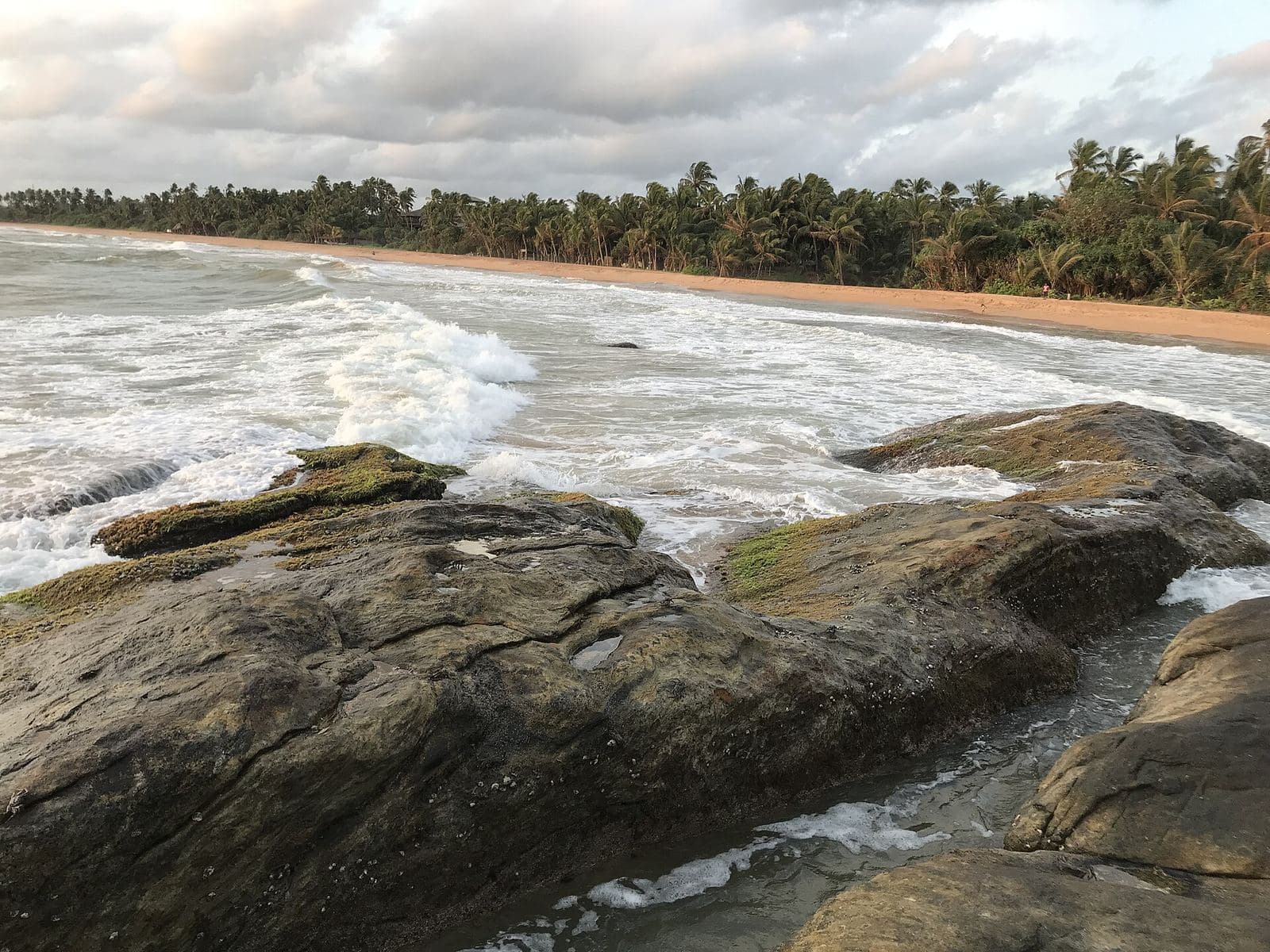
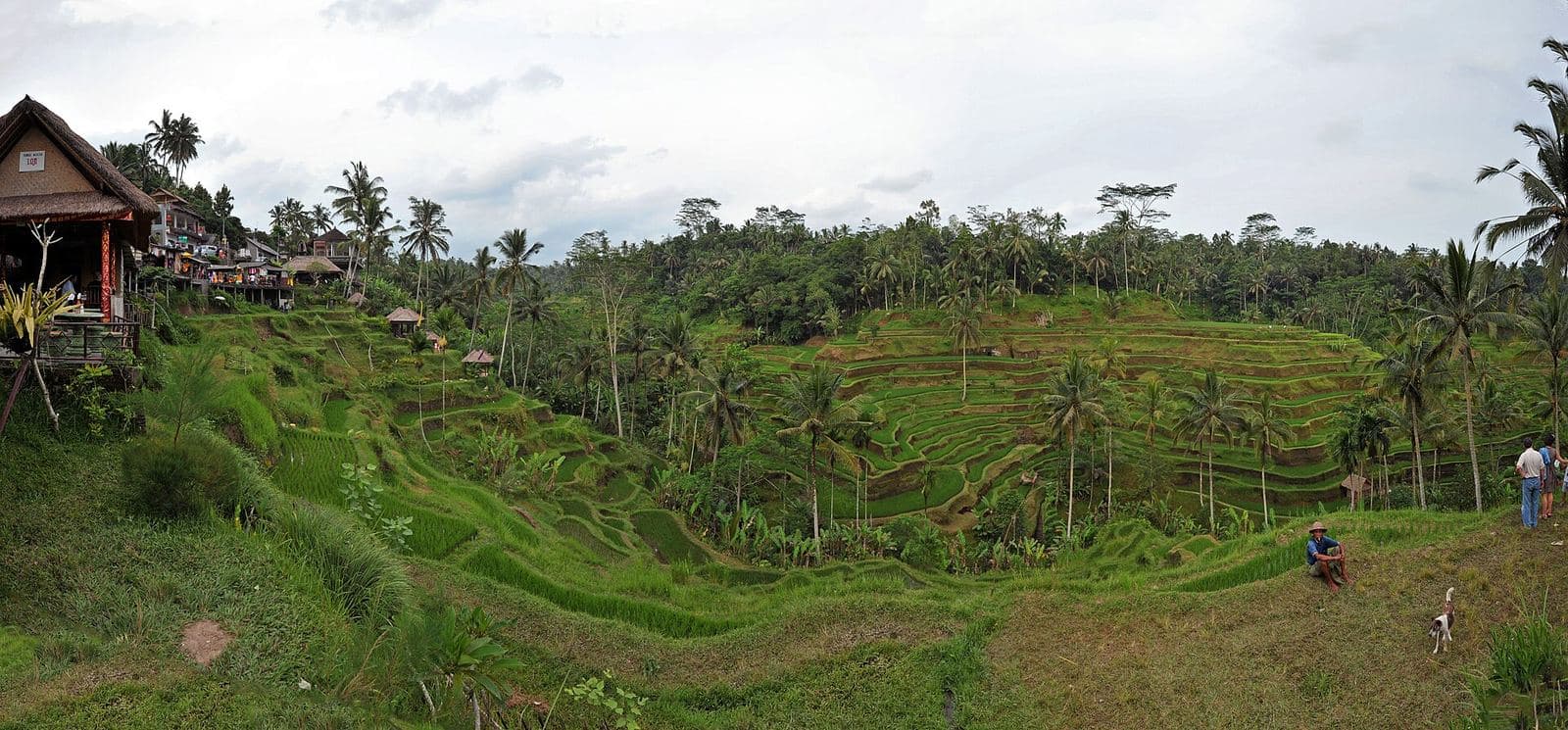
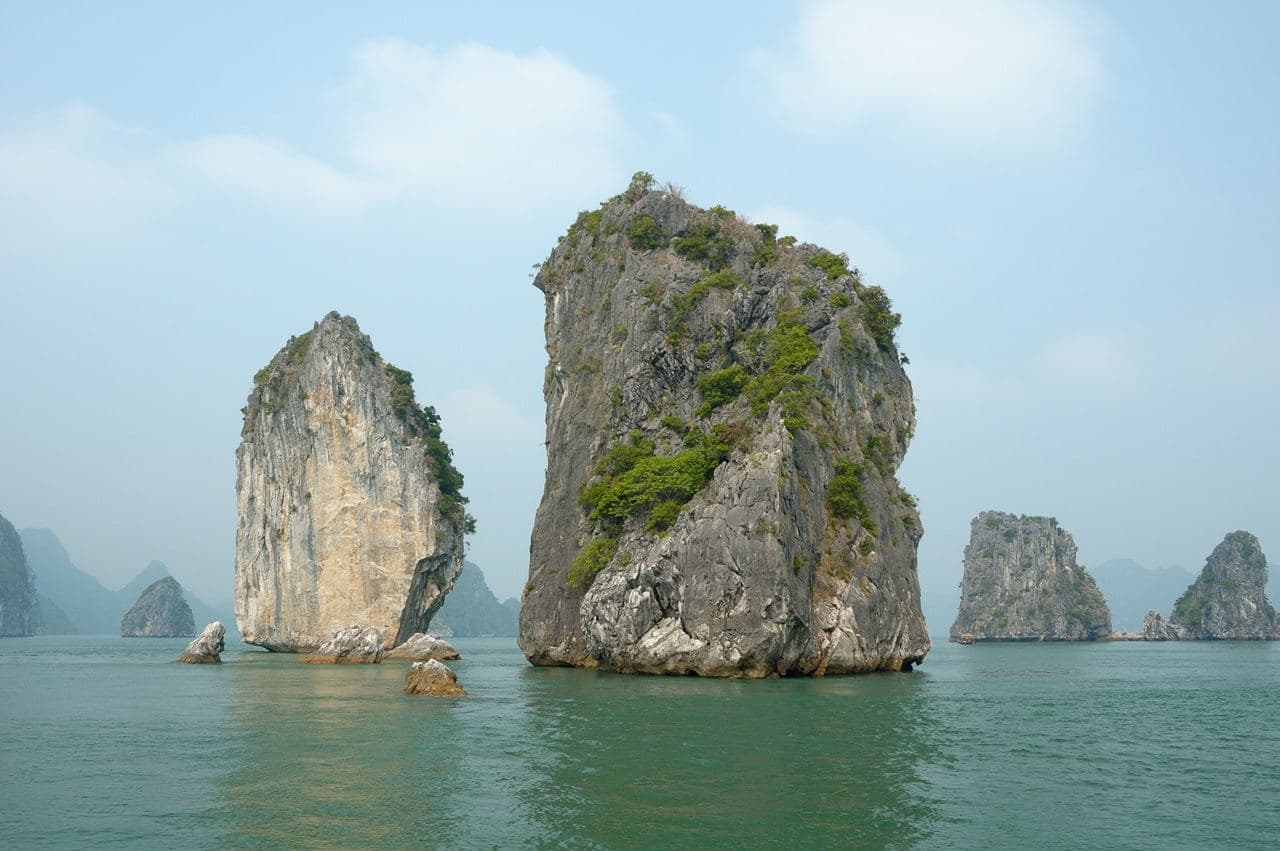
More postcards from further afield
Ready to book Hurghada?
You've seen the months, the prices and the weather. Here's the fastest way to check live prices.
Search ExpediaSome links on this page are affiliate links. We may earn a commission if you book through them, at no extra cost to you.