Rome
Italy
Ancient Rome without the August queues, if you time it right
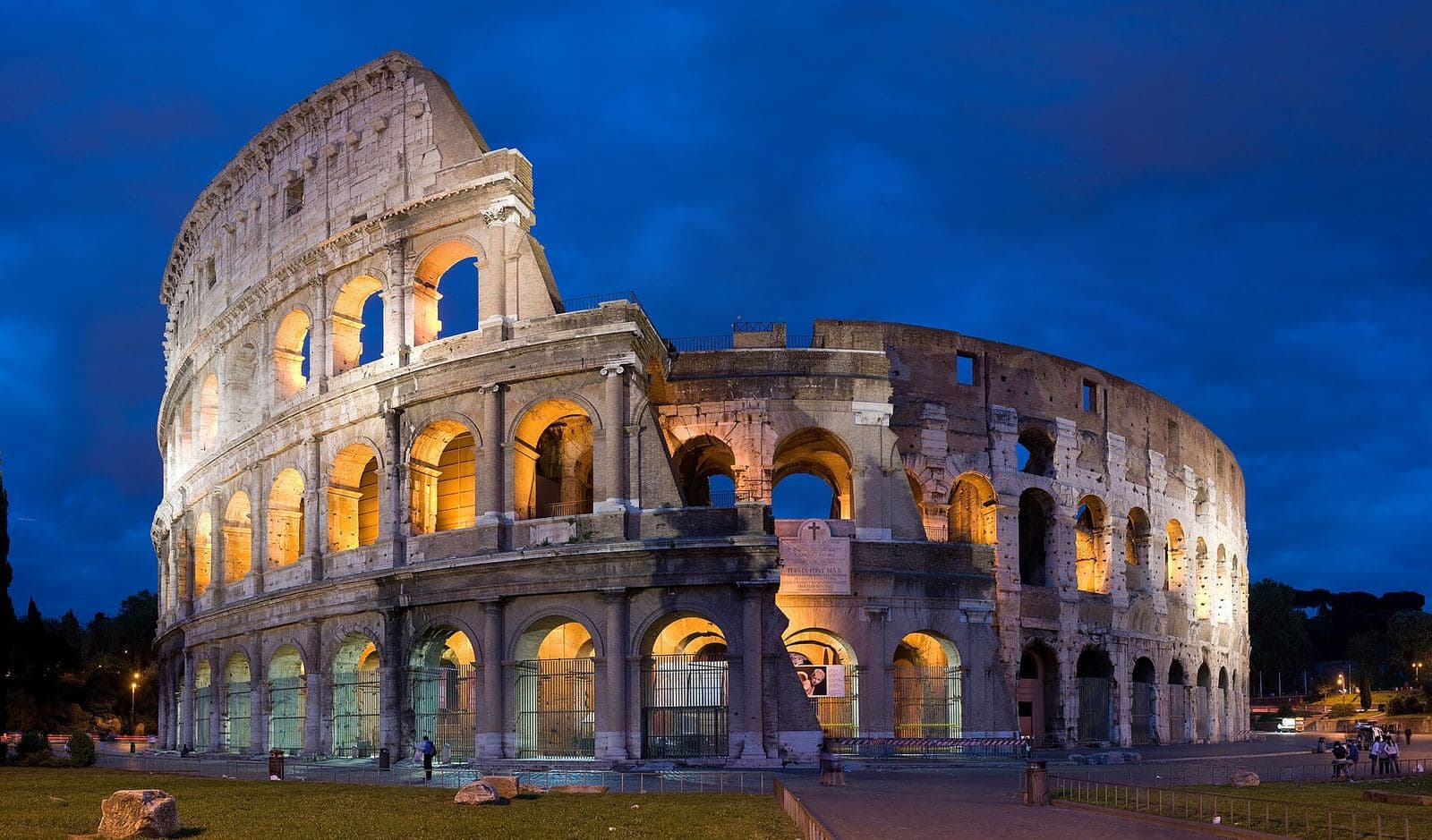
Photo: Diliff · CC BY-SA 2.5 via Wikimedia Commons
Rome is busy nearly every month, but its two shoulder windows, spring before Easter and September into October, combine excellent weather with real drops in hotel prices and queue times.
12-month view
Season calendar
Cold, quiet, short queues. A small New Year bump in the first few days.
Premiums are indicative ranges versus the surrounding non-holiday weeks. Tap or click any month for the exact dates. Term dates vary slightly by council; see our data sources.
Our verdict
September is the strongest all-round choice: comfortable heat, no summer closures, and prices below the spring and early-summer peak. Early May is the best alternative if you want spring light and can book ahead of Easter.
Right now
Is it a good time to go?
Links on this page currently carry no affiliate tracking — we don't yet earn a commission from bookings made through them.
How the year plays out
Seasons explained
Rome has hot, mostly dry summers and mild, wetter winters. Late March through May is the city's first peak: ideal sightseeing weather, blossoming gardens, and Easter week, when the Vatican and major basilicas draw their heaviest crowds and hotel rates spike for several days regardless of the calendar date. June and early July stay busy and hot. August brings the Ferragosto exodus: many Romans leave the city, a number of family-run restaurants close for two or three weeks, and hotel rates often ease slightly even though the Colosseum and Vatican queues remain long with tourists.
September is Rome's best month by most measures: the heat breaks, Romans return, and the city runs at full pace again without the August closures. Crowds and prices build through early October before easing into a genuine off-season from November through February, cooler, often rainy, but with the year's shortest queues and lowest hotel rates outside a small Christmas and New Year bump.
For UK families
Rome in the school holidays
October half term lands in Rome's best shoulder window: mild days, short queues at the major sights and prices well under the spring peak. Easter is one of Rome's busiest and most expensive weeks, the Vatican in particular gets very crowded, so book accommodation and skip-the-line tickets early if you're locked into that break. The summer holidays mean heat and, in August, some restaurant closures, though hotel rates can actually dip slightly; late August into early September is the better end of that break. February half term is cold and quiet, and one of the cheapest times to see the major sights without a crowd.
Choose your region on the season calendar above to see the exact term dates and typical premium for each break.
Historical data
Typical temperatures
| Month | Average low | Average high | Average |
|---|---|---|---|
| Jan | 4.4°C | 12.8°C | 8.6°C |
| Feb | 5.5°C | 14.8°C | 10.1°C |
| Mar | 7°C | 16.5°C | 11.8°C |
| Apr | 9.1°C | 19.7°C | 14.4°C |
| May | 13.4°C | 23.7°C | 18.6°C |
| Jun | 18.2°C | 29.9°C | 24.1°C |
| Jul | 21°C | 32.8°C | 26.9°C |
| Aug | 21.1°C | 32.7°C | 26.9°C |
| Sep | 17.3°C | 27.5°C | 22.4°C |
| Oct | 13.3°C | 23°C | 18.1°C |
| Nov | 9.3°C | 17.6°C | 13.4°C |
| Dec | 5.5°C | 14°C | 9.8°C |
Ten-year monthly averages of daily highs and lows from the Roma / Ciampino weather station (15.1 km away), via Meteostat. Window 2016–2026.
Chance of rain
| Month | Rainy days |
|---|---|
| Jan | 11.1 |
| Feb | 9.5 |
| Mar | 9.5 |
| Apr | 9.1 |
| May | 11.5 |
| Jun | 5.4 |
| Jul | 3 |
| Aug | 7.8 |
| Sep | 8.9 |
| Oct | 9.7 |
| Nov | 14 |
| Dec | 11.2 |
Average number of days per month with at least 1mm of rainfall. From NASA POWER satellite-derived data. Window 2016–2026.
Quick answers
Frequently asked
- When is the best time to visit Rome?
- September is the strongest all-round choice: comfortable heat, no summer closures, and prices below the spring and early-summer peak. Early May is the best alternative if you want spring light and can book ahead of Easter.
- When is Rome most expensive?
- Our price index puts April, May, June, July and September at the top of the year for Rome. The cheapest months on the same index are January, February and November. The season calendar above shows the month-by-month picture, with UK school holiday premiums marked.
- Is Rome a good choice for the UK school holidays?
- October half term lands in Rome's best shoulder window: mild days, short queues at the major sights and prices well under the spring peak. Easter is one of Rome's busiest and most expensive weeks, the Vatican in particular gets very crowded, so book accommodation and skip-the-line tickets early if you're locked into that break. The summer holidays mean heat and, in August, some restaurant closures, though hotel rates can actually dip slightly; late August into early September is the better end of that break. February half term is cold and quiet, and one of the cheapest times to see the major sights without a crowd.
- Does it rain a lot in Rome?
- On average, Rome sees the fewest rainy days in July (around 3 days with rain) and the most in November (around 14 days). See the rainfall chart above for the full year, and our data sources page for how this is measured.
- Are there festivals or events that affect prices in Rome?
- Yes — Rome hosts Easter in Rome in April, which can push prices above the usual seasonal pattern that month. Exact dates vary by year; check the season calendar above and confirm against the event's own listing before booking.
Keep exploring
More European destinations
Ready to book Rome?
You've seen the season calendar, the verdict and the temperatures — here's the fastest way to check live prices.
Search Booking.com →Links on this page currently carry no affiliate tracking — we don't yet earn a commission from bookings made through them.