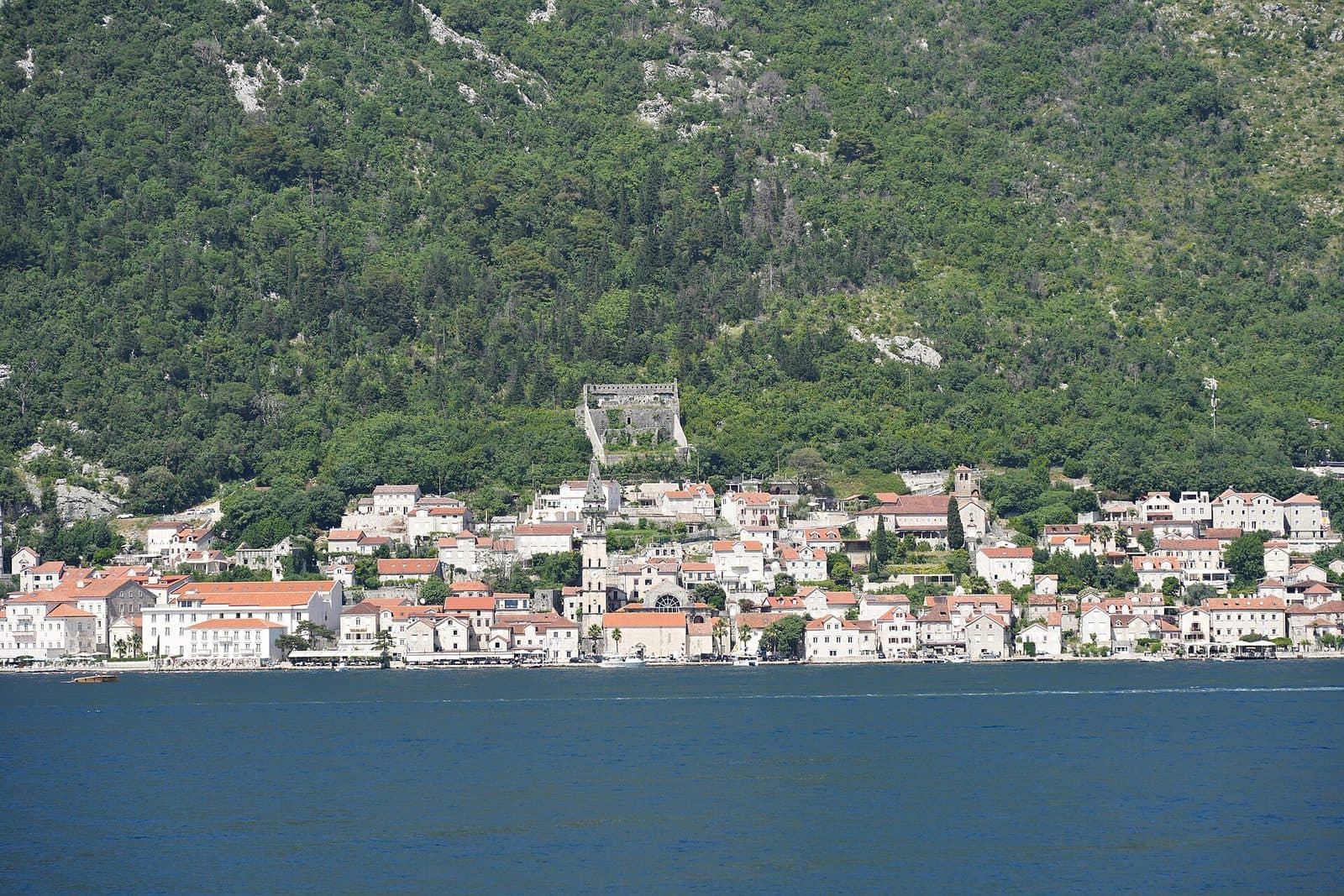
Greetings from
Montenegro
Montenegro
Dubrovnik's neighbour, with the fjord-like Bay of Kotor and lower prices
Montenegro's short coast packs in walled towns, the Bay of Kotor and the beaches of the Budva Riviera, an hour or so down the road from Dubrovnik. It is a quieter, generally cheaper alternative to Croatia's busiest city, and uses the euro.
Our verdict
September is the best-value window: the warmest sea of the year, calmer beaches and prices well below the July–August peak. June is almost as good, with long days and lower rates before the summer holidays.
Is it a good time to go?
We’re going to Montenegro from to .
Add your dates, or pick a school holiday, to see whether Montenegro is in busy, sweet-spot or quiet season then, and whether your dates hit a UK school holiday.
Some links on this page are affiliate links. We may earn a commission if you book through them, at no extra cost to you.
Montenegro through the year
Tap a month for the detail
Tap a month to see what it’s like in Montenegro.
Temperatures: ten-year averages from the Tivat weather station (15.4 km away), via Meteostat, 2016–2026. Rain: NASA POWER satellite-derived data, 2016–2026.
How the year plays out
Seasons explained
Montenegro's coast has a Mediterranean climate with hot, dry summers and mild but very wet winters: the mountains behind the Bay of Kotor make it one of the wettest corners of Europe from November to February. The coast divides into two halves. The Bay of Kotor, a deep, fjord-like inlet ringed by mountains, holds the UNESCO-listed old town of Kotor and the small baroque village of Perast. The Budva Riviera to the south has the sandy beaches, the resort hotels and the nightlife, plus the island village of Sveti Stefan.
July and August are the peak. Regional holidaymakers join Western Europeans, Budva's beaches are at their busiest and hotel rates are at their highest. Kotor also receives cruise ships from spring to autumn, which can fill the old town during the day even in shoulder months, so explore early or late. June and September are the best-value months, with a warm sea and settled weather; May and October are pleasant for sightseeing and walking the Kotor fortress climb, though cooler for swimming. November to March is off-season: very quiet, cheap, and frequently rainy, with many beach hotels closed.
Flights to Tivat, a few minutes from Kotor, run seasonally from several UK airports; in winter, Podgorica is the usual airport. Some visitors fly to Dubrovnik and cross the border instead.
For UK families
Montenegro in the school holidays
The summer holidays are Montenegro's peak, with August the busiest and most expensive month on the Budva Riviera. The Scottish summer break, which starts in late June, catches the tail of the cheaper early season. October half term works best as a sightseeing trip with a chance of beach days: Kotor's old town is calmer, prices are well down, but rain becomes more likely as the month goes on and Tivat's flight schedule is shrinking. Easter suits Kotor, Perast and the coastal walks, but the sea is too cold for most. February half term is quiet and cheap but coincides with the wettest part of the year.
Pick a school holiday in the date checker at the top of the page to see the exact term dates and typical premium for your region.
Quick answers
Frequently asked
When is the best time to visit Montenegro?
September is the best-value window: the warmest sea of the year, calmer beaches and prices well below the July–August peak. June is almost as good, with long days and lower rates before the summer holidays.
When is Montenegro most expensive?
Our price index puts July to August at the top of the year for Montenegro. The cheapest months on the same index are January, February and November. The month-by-month view above shows the full picture, with UK school holidays marked.
Is Montenegro a good choice for the UK school holidays?
The summer holidays are Montenegro's peak, with August the busiest and most expensive month on the Budva Riviera. The Scottish summer break, which starts in late June, catches the tail of the cheaper early season. October half term works best as a sightseeing trip with a chance of beach days: Kotor's old town is calmer, prices are well down, but rain becomes more likely as the month goes on and Tivat's flight schedule is shrinking. Easter suits Kotor, Perast and the coastal walks, but the sea is too cold for most. February half term is quiet and cheap but coincides with the wettest part of the year.
Does it rain a lot in Montenegro?
On average, Montenegro sees the fewest rainy days in July (around 6 days with rain) and the most in November (around 15 days). The month-by-month view above shows every month, and our data sources page explains how this is measured.
More postcards from Europe
Ready to book Montenegro?
You've seen the months, the prices and the weather. Here's the fastest way to check live prices.
Search ExpediaSome links on this page are affiliate links. We may earn a commission if you book through them, at no extra cost to you.