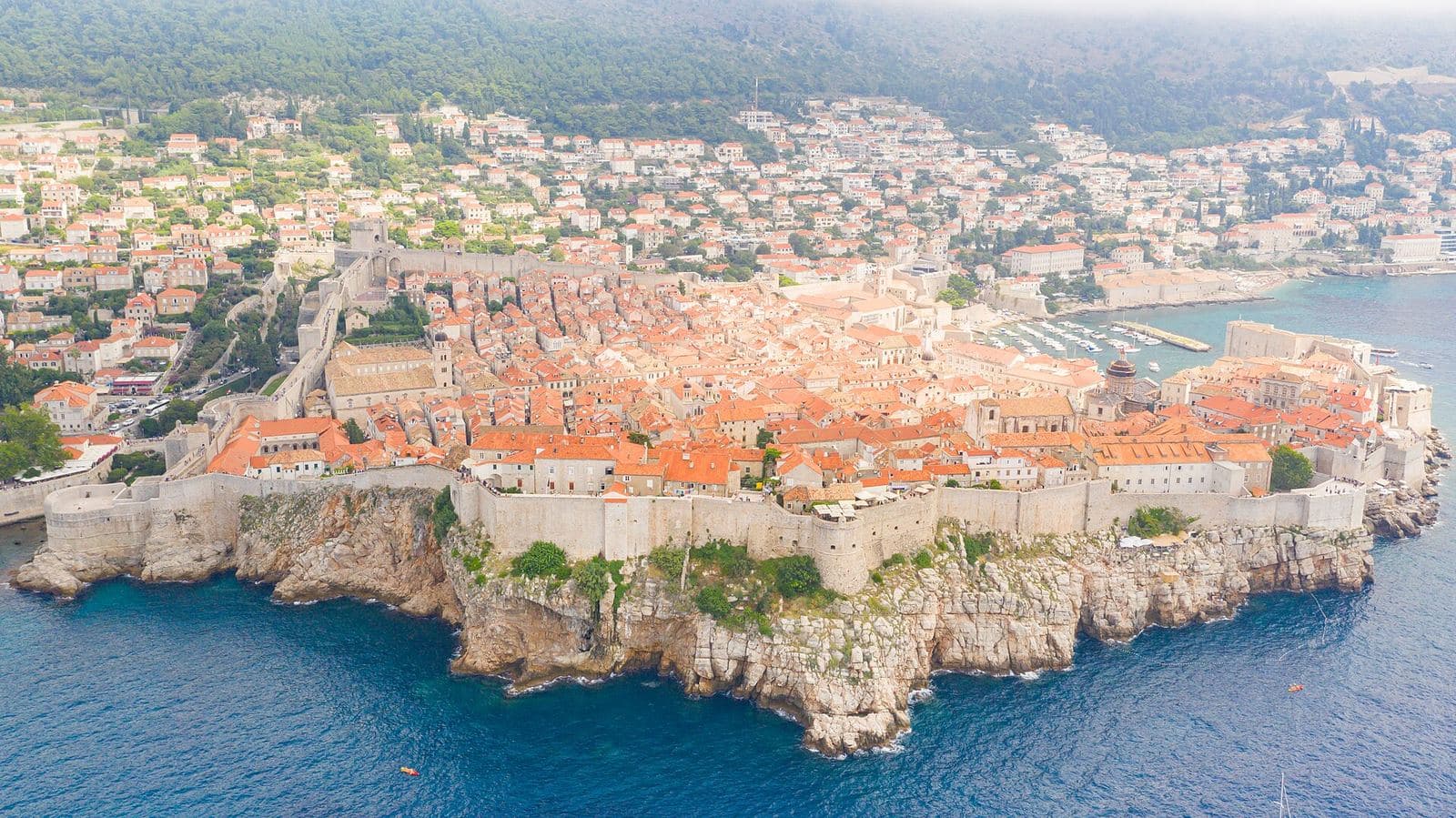
Dubrovnik's Old Town is small, walled and instantly recognisable, which means it gets overwhelmed in July and August. Late spring and early autumn give you the same limestone streets with a fraction of the crowds.
12-month view
Season calendar
Cold, wet winter low season. Quiet Old Town, some restaurants and island ferries reduced.
Premiums are indicative ranges versus the surrounding non-holiday weeks. Tap or click any month for the exact dates. Term dates vary slightly by council; see our data sources.
Our verdict
Mid-to-late September is the best-value window: the sea is still warm, cruise crowds have thinned, and hotel prices have dropped from the August peak. Early June is the best spring alternative, just before the school holidays lift prices.
Right now
Is it a good time to go?
Links on this page currently carry no affiliate tracking — we don't yet earn a commission from bookings made through them.
How the year plays out
Seasons explained
Dubrovnik has a classic Mediterranean climate: hot, dry summers and mild, wet winters. The peak season, June to August, brings the Adriatic's warmest sea alongside the Dubrovnik Summer Festival and a heavy cruise-ship schedule that can put several thousand day-trippers into the Old Town by mid-morning. Prices for hotels inside and just outside the walls are at their highest, and the Stradun is at its most crowded between about 10am and 4pm on cruise days.
May and June before the school holidays, and September into October, are the shoulder seasons and the best time to visit for most travellers. The sea is swimmable from May to October, cruise numbers thin sharply after the first week of September, and hotel rates drop noticeably once the summer premium ends. November to March is off-season: cooler, wetter and quiet, with some island ferries reduced and a handful of restaurants closing for the winter, but also the cheapest flights and hotels of the year.
For UK families
Dubrovnik in the school holidays
October half term arrives just as Dubrovnik's cruise season winds down, with daytime highs still in the low twenties and the Old Town noticeably calmer than in August, a good match for families who want the sights without the queues. The summer holidays are Dubrovnik's most expensive and most crowded weeks; if you travel then, aim for late August over July. Easter is quieter and often good value, though the sea is still cold for swimming. February half term is off-season: cheap, but wet and better suited to a short city break than a beach trip.
Choose your region on the season calendar above to see the exact term dates and typical premium for each break.
Historical data
Typical temperatures
| Month | Average low | Average high | Average |
|---|---|---|---|
| Jan | 5.5°C | 11.4°C | 8.4°C |
| Feb | 6.7°C | 12.7°C | 9.7°C |
| Mar | 8.1°C | 14.5°C | 11.3°C |
| Apr | 10.6°C | 17.6°C | 14.1°C |
| May | 15°C | 21.7°C | 18.4°C |
| Jun | 19.8°C | 26.9°C | 23.4°C |
| Jul | 22.1°C | 29.5°C | 25.8°C |
| Aug | 23°C | 29.8°C | 26.4°C |
| Sep | 18.6°C | 25.2°C | 21.9°C |
| Oct | 14.1°C | 20.9°C | 17.5°C |
| Nov | 10.7°C | 16.8°C | 13.7°C |
| Dec | 7.4°C | 13.2°C | 10.3°C |
Ten-year monthly averages of daily highs and lows from the Dubrovnik / Cilipi weather station (16.9 km away), via Meteostat. Window 2016–2026.
Chance of rain
| Month | Rainy days |
|---|---|
| Jan | 14.4 |
| Feb | 11.5 |
| Mar | 12.2 |
| Apr | 9.4 |
| May | 11 |
| Jun | 7 |
| Jul | 5.3 |
| Aug | 8.8 |
| Sep | 10.4 |
| Oct | 10.5 |
| Nov | 14.4 |
| Dec | 13 |
Average number of days per month with at least 1mm of rainfall. From NASA POWER satellite-derived data. Window 2016–2026.
Quick answers
Frequently asked
- When is the best time to visit Dubrovnik?
- Mid-to-late September is the best-value window: the sea is still warm, cruise crowds have thinned, and hotel prices have dropped from the August peak. Early June is the best spring alternative, just before the school holidays lift prices.
- When is Dubrovnik most expensive?
- Our price index puts June to August at the top of the year for Dubrovnik. The cheapest months on the same index are January, February and November. The season calendar above shows the month-by-month picture, with UK school holiday premiums marked.
- Is Dubrovnik a good choice for the UK school holidays?
- October half term arrives just as Dubrovnik's cruise season winds down, with daytime highs still in the low twenties and the Old Town noticeably calmer than in August, a good match for families who want the sights without the queues. The summer holidays are Dubrovnik's most expensive and most crowded weeks; if you travel then, aim for late August over July. Easter is quieter and often good value, though the sea is still cold for swimming. February half term is off-season: cheap, but wet and better suited to a short city break than a beach trip.
- Does it rain a lot in Dubrovnik?
- On average, Dubrovnik sees the fewest rainy days in July (around 5 days with rain) and the most in January (around 14 days). See the rainfall chart above for the full year, and our data sources page for how this is measured.
- Are there festivals or events that affect prices in Dubrovnik?
- Yes — Dubrovnik hosts Dubrovnik Summer Festival in June, which can push prices above the usual seasonal pattern that month. Exact dates vary by year; check the season calendar above and confirm against the event's own listing before booking.
Keep exploring
More European destinations
Ready to book Dubrovnik?
You've seen the season calendar, the verdict and the temperatures — here's the fastest way to check live prices.
Search Booking.com →Links on this page currently carry no affiliate tracking — we don't yet earn a commission from bookings made through them.